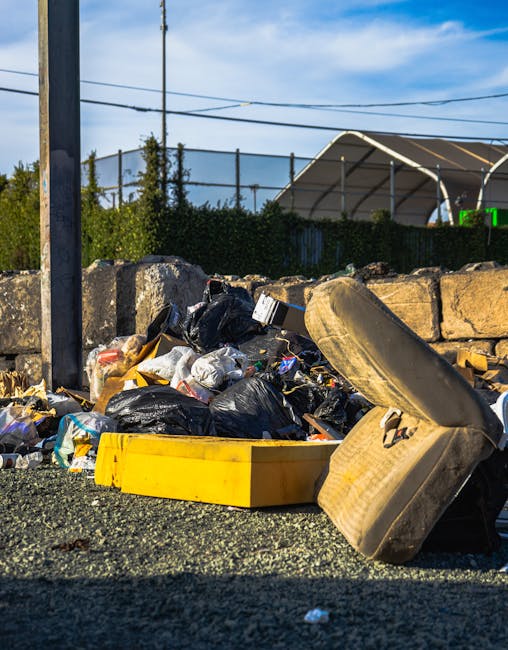
Dispose Bulky Waste in SE13 Without Extra Fees
Posted on 02/06/2026
Dispose Bulky Waste in SE13 Without Extra Fees: A Practical Local Guide
If you have a broken sofa, a heavy wardrobe, an old mattress, or a pile of awkward household items sitting in the hallway, you already know the problem is not just the mess. It is the lifting, the booking, the timing, and the fear of hidden charges. The good news is that there are sensible ways to dispose bulky waste in SE13 without extra fees, provided you plan it properly and avoid the usual traps. This guide walks you through the process in plain English, with local know-how, realistic expectations, and a few cost-saving habits that genuinely make a difference.
You do not need to make this harder than it is. With the right preparation, bulky item removal can be straightforward, respectful of local rules, and much less stressful than people expect. Let's get into the details.
Why Dispose Bulky Waste in SE13 Without Extra Fees Matters
Bulky waste is one of those chores that looks simple until you try to move a sofa down a narrow stairwell or shift a damp mattress out through a tight hallway. In SE13, where homes can range from compact flats to larger terraces, the challenge is often less about the item itself and more about access, time, and the cost of doing it properly.
Extra fees are usually what catch people out. A quote can look reasonable, then suddenly the final cost rises because the load was heavier than expected, the item needed special handling, or the collection was not prepared correctly. That is why a clear plan matters. If you know what counts as bulky waste, what can be reused or recycled, and how to prepare items before collection, you can often keep costs down and avoid surprises.
There is also a wider benefit. Well-managed bulky waste disposal reduces fly-tipping risk, keeps communal areas tidy, and helps items reach reuse or recycling routes where possible. In other words, it is not just about saving money. It is about doing the job cleanly and responsibly.
For households already juggling a move, a renovation, or a sudden clear-out, this can be the difference between a calm afternoon and a very long, slightly chaotic one. If you are already organising boxes and furniture, the guidance in how to declutter before a move can help you reduce the volume before it even reaches the kerb.
How Dispose Bulky Waste in SE13 Without Extra Fees Works
The basic idea is simple: identify bulky items, separate what can be reused or broken down, then choose the most suitable disposal route. What changes the outcome is how carefully you prepare.
In practice, a no-extra-fees approach usually depends on four things:
- Accurate item listing: Know exactly what is being removed. A sofa bed is not the same as a two-seat sofa, and a piano is very different again.
- Easy access: Clear paths, unlocked gates, and parking that allows loading without delays can prevent time-based add-ons.
- Responsible sorting: Separate textiles, metals, wood, electrical items, and anything that may need specialist treatment.
- Realistic timing: If you need same-day removal, book it as early as possible and be clear about urgency.
In local moving and clearance work, a lot of the unexpected cost comes from poor preparation rather than the collection itself. A heavy wardrobe in a first-floor flat with a tight landing takes more handling than a small chest of drawers left at ground level. That sounds obvious, but it is exactly where budget plans go off the rails. A good provider or household plan should factor in access, labour, and the type of waste involved before anyone lifts a thing.
If your bulky waste is tied to a move, it can be worth reading stress-free moving tips and packing guidance for house moves so the clearance fits neatly into the wider moving plan.
Key Benefits and Practical Advantages
When you dispose bulky waste in SE13 without extra fees, the benefits go beyond saving a few pounds. You also get a cleaner process and fewer last-minute headaches. Truth be told, that is often what people value most.
- Predictable costs: Clear planning reduces the chance of surprise charges.
- Faster turnaround: A well-prepared collection is usually quicker to complete.
- Better safety: Less lifting, less awkward carrying, fewer chances of damage.
- More reuse potential: Items in good condition may be suitable for onward use rather than disposal.
- Less stress: A tidy, structured clearance is just easier to live with.
Another advantage is that you can make better decisions about what to keep. Once you take a hard look at a bulky item, you may notice it is only there because it has been sitting unused for years. A mattress with a stubborn dip, a bookshelf missing fittings, or a sofa that no longer suits the room can often be let go without regret. Sometimes the relief is immediate. You know the feeling.
For furniture-heavy homes, you may also find it useful to review sofa storage advice before deciding whether an item should be stored, reused, or cleared altogether.
Who This Is For and When It Makes Sense
This approach suits a lot of people in SE13. It is not just for landlords or people moving house. It helps anyone with a bulky item problem and a limited budget.
- Homeowners clearing out garages, spare rooms, or lofts
- Tenants preparing for end-of-tenancy handover
- Families replacing old furniture
- Students leaving shared accommodation with unwanted items
- Small offices removing outdated desks, chairs, or shelving
- People handling a bereavement clear-out or long-overdue declutter
It makes the most sense when the item count is moderate, access is manageable, and you can prepare in advance. If there is a tight deadline, awkward access, or a particularly heavy item, it may still work well, but you will want a clearer plan. A little forethought goes a long way here.
For those with back-to-back moving tasks, services such as man and van support in Hither Green or same-day removals help can be useful when bulky waste needs to be handled quickly and carefully.
Step-by-Step Guidance
If you want the cleanest, most cost-controlled way to dispose bulky waste in SE13 without extra fees, use this simple workflow.
- List every item: Write down what needs to go. Be specific. "Sofa" is okay, but "three-seat corner sofa with detachable chaise" is better.
- Check what can be reused: If an item is still sturdy and safe, consider passing it on, selling it, or storing it temporarily. Not everything needs to be waste.
- Break down what you safely can: Remove legs, cushions, loose shelves, or detachable parts where practical. Do not force anything that might split or become hazardous.
- Measure access: Stair width, doorways, lift size, parking distance, and turning space all matter. A collection that looks easy can become fiddly fast.
- Group items logically: Put similar materials together where possible. This helps loading and makes sorting easier.
- Book the right kind of help: If lifting is involved, choose a team or vehicle that matches the volume and weight.
- Prepare the route: Clear hallways, protect walls where needed, and remove trip hazards. Even a small clear-out can benefit from this.
- Confirm timing: Make sure the collection window suits your schedule and building access rules.
- Ask about the final cost structure: Before anything begins, understand whether the price is based on item count, weight, time, or access conditions.
- Inspect the area afterwards: A quick sweep or check helps ensure nothing was left behind by mistake.
Small detail, big difference: if your bulky waste is part of an end-of-tenancy clean-up, tie it into the broader preparation early. The article on pre-move cleaning techniques is a useful companion read for that kind of planning.
Expert Tips for Better Results
Here is where you avoid the sloppy mistakes that lead to extra charges or unnecessary hassle.
1. Photograph items before collection
A few clear photos help confirm size and condition. It sounds obvious, but people forget this all the time. Photos also help when you need to compare options or explain an awkward item.
2. Keep flat-pack furniture together only if it is intact
If a wardrobe is already wobbling or partially dismantled, do not spend ages trying to preserve it. Separate safe components and keep sharp edges covered.
3. Protect the route, not just the item
Most damage happens in stairwells, corners, and narrow entry points. A blanket, cardboard edge guard, or a simple clear path can prevent scuffed paint and chipped plaster.
4. Decide early what is actually bulky waste
People often mix bulky waste with general clutter. That leads to confusion and delays. If you are not sure, sort everything into "keep," "donate," "reuse," and "dispose."
5. Be honest about difficult items
If there is a piano, safe, American-style fridge, or oversized sectional, say so upfront. Understating the job is the fastest way to create fees nobody enjoys.
And yes, the sofa that looked manageable in the living room can feel mysteriously heavier once it reaches the stairwell. Physics has a sense of humour, apparently.
If you are dealing with especially awkward furniture, the guides on moving beds and mattresses safely and the risks of moving a piano yourself are both worth a look.

Common Mistakes to Avoid
A lot of extra-fee issues come from avoidable errors. The main ones are surprisingly consistent.
- Leaving the booking vague: "A few bits and pieces" is not enough for a bulky waste job.
- Ignoring access restrictions: Time lost finding parking or carrying items further than expected can affect pricing.
- Mixing prohibited items with standard waste: Some items require special handling, so always separate them before collection.
- Trying to do too much alone: Heavy lifting without help is where people hurt themselves or damage the property.
- Assuming everything can go straight in one load: Reality is often messier, and a bit of sorting avoids the mess.
- Not checking service scope: Some providers may not handle every item type in the same way.
One common mistake is leaving the decision until the last minute. If the item is still sitting there on collection day, still unmeasured, still blocked by a table and two bags of old bedding, the process gets clumsy. It happens. People are busy. But a bit of order saves a lot of money.
Before attempting any manual move, it helps to revisit safe technique guidance like lifting safely with good body mechanics and handling heavy lifting alone.
Tools, Resources and Recommendations
You do not need specialist equipment for every bulky waste job, but a few simple tools make the task cleaner and safer.
- Measuring tape: Useful for doorways, hallways, lift size, and item dimensions.
- Work gloves: Helps with grip and protects hands from sharp edges, splinters, and rough upholstery.
- Moving blankets or old quilts: Good for protecting walls, floors, and furniture edges.
- Strong tape or straps: Keeps small parts together and stops loose pieces from scattering.
- Marker pens and labels: Handy for sorting items into categories.
- Trolley or sack truck: Useful for heavier loads where safe and suitable.
For organisation, simple household tools are often enough. Labels, bin bags, a torch for darker storage areas, and a checklist on paper can be surprisingly effective. No fancy kit required. Just a sensible system.
There are also some useful support pages if your bulky waste clearance sits within a wider move or storage issue. For example, packing materials and boxes support can help you reduce clutter while preparing, and storage options in Hither Green can buy time if you are not ready to part with everything yet.
Law, Compliance, Standards, or Best Practice
Bulky waste disposal in the UK should always be handled responsibly. While the exact process can vary depending on item type and local arrangements, the basic best practice is consistent: use a legitimate route, avoid fly-tipping, and keep a record of what was taken away if you are hiring a third party.
If you are a landlord, letting agent, or business owner, your duty of care becomes more important. You want to be confident that waste is handled properly and that nothing is dumped where it should not be. Even if you are only clearing one flat, it is still wise to choose a service that is transparent about what it collects and how it manages disposal.
Some items need special handling. Electrical appliances, mattresses, and heavily contaminated materials may not be treated like ordinary furniture. If you are unsure, ask first rather than guessing. A careful answer today is better than an awkward problem later.
On the operational side, local best practice also includes safe lifting, clear access, and honest pricing. That is where trust is built. For background on standards and safety-minded working, you may find insurance and safety information and health and safety policy details reassuring and relevant.
Expert summary: the safest, cleanest way to handle bulky waste is to sort it early, describe it accurately, keep access clear, and use a service or process that is transparent about what is included. That combination is what usually keeps fees down.
Options, Methods, or Comparison Table
There is no single right method for every household. The best option depends on item size, urgency, access, and whether you want to reuse, store, or remove the item entirely. Here is a practical comparison.
| Method | Best for | Pros | Watch out for |
|---|---|---|---|
| Self-arranged disposal | Small number of manageable items | Low direct cost, full control | Time, lifting effort, transport, local rules |
| Booked bulky waste collection | Most domestic clear-outs | Convenient, structured, less lifting | Need accurate item details, access issues |
| Man and van clearance help | Mixed items, quick turnarounds | Flexible, useful for awkward loads | Pricing can rise if scope is unclear |
| Storage first, dispose later | Items you are unsure about | Buys time, avoids rushed decisions | Can delay the final clearance and add storage cost |
For many SE13 households, the sweet spot is a combination approach: sort first, store only what truly needs time, and remove the rest in one efficient collection. That is usually the least chaotic route.
If your bulky waste is part of a wider household change, removal services in Hither Green and comparing removal companies can help you decide what level of support is actually worth paying for.
Case Study or Real-World Example
Imagine a small SE13 flat where the resident is moving out on Friday. In the living room there is a two-seat sofa, an old coffee table, a broken office chair, and a mattress that has seen better days. Nothing here is unusual, but the access is tight: one narrow staircase, one street-facing parking space, and a building next door with regular foot traffic.
Instead of leaving everything for the final morning, the resident sorts the items two days earlier. The coffee table is dismantled. The sofa cushions are removed and wrapped. The chair is separated into compact parts. The mattress is left accessible, not wedged behind three box towers and a drying rack. Simple stuff, really.
By the time collection day arrives, the route is clear and the items are already grouped. That means fewer delays, less handling, and no need to pay for extra time or awkward access work that could have been avoided. The result is calm, efficient, and much less expensive than a last-minute scramble.
That kind of prep also helps when the bulky items are tied to specific local conditions. If your property is near a busy stretch or tricky access point, practical route advice such as van access guidance for Hither Green Lane and SE13 parking and loading bay information can make planning much easier.
Practical Checklist
Use this quick checklist before your collection or disposal day.
- List every bulky item clearly
- Measure the largest pieces
- Check stairs, lifts, doorways, and parking access
- Separate anything reusable, recyclable, or store-worthy
- Remove loose parts where safe
- Protect floors and walls if lifting is involved
- Confirm timing and access arrangements
- Keep dangerous or special items apart
- Have gloves, tape, and labels ready
- Do a final walk-through after removal
If you are still undecided about what to keep, store, or clear, a little pause can be useful. One more look in daylight, a mug of tea in hand, and suddenly the decision feels clearer. Funny how that works.
Conclusion
To dispose bulky waste in SE13 without extra fees, the main job is not brute force. It is preparation. The better you sort, measure, and communicate, the less likely you are to run into avoidable charges. Keep access clear, describe items properly, and choose a method that suits the size and urgency of the task.
For most people, the real win is peace of mind. The room gets back its shape, the hallway feels lighter, and the job stops hanging over you. That alone is worth planning well. One tidy decision now can save a very untidy afternoon later.
For a more confident next step, explore the wider support available across services overview, removals in Hither Green, or man with a van help in Hither Green if your clear-out is part of a bigger move. And if you are weighing your options, a quick look at pricing and quotes can help you plan with confidence.
Get a free quote today and see how much you can save.