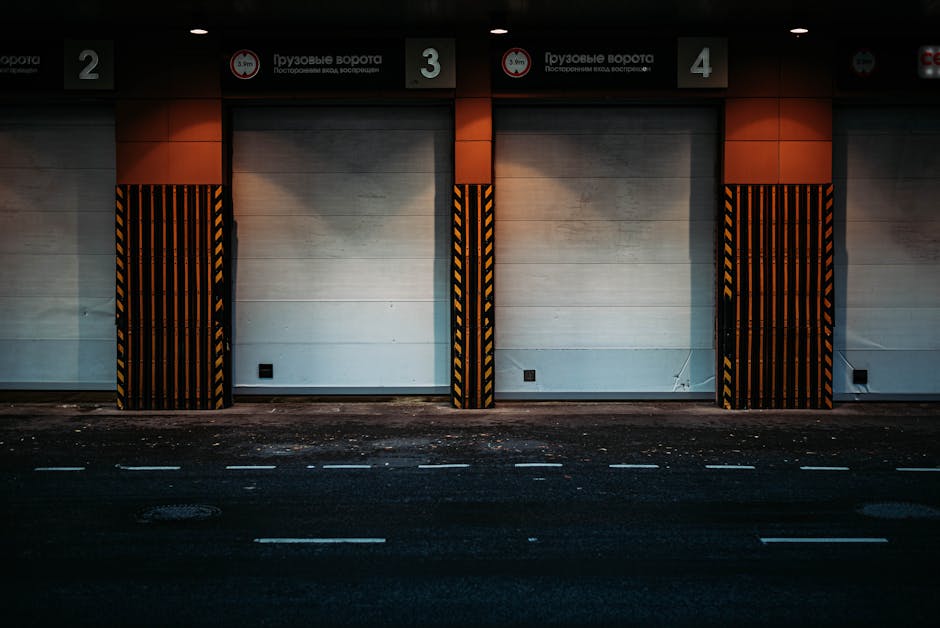
SE13 Moving Guide: Parking, Permits & Loading Bays
Moving in SE13 can feel straightforward on paper, then suddenly the street narrows, the neighbour's car is in the only sensible stopping point, and the front door is tucked behind a shared walkway you did not fully appreciate until moving day. That is exactly why this SE13 Moving Guide: Parking, Permits & Loading Bays exists. It helps you think ahead about where the van will stop, whether a permit is needed, how long unloading may take, and what to do when the street layout is not especially forgiving.
Lewisham's SE13 area includes a mix of terraced streets, flats, converted houses, busy main roads, and tighter residential pockets. In real life, that means parking is rarely a last-minute detail. It is part of the move itself. Get it right, and the whole day feels calmer. Get it wrong, and you can lose time, add stress, and make a simple unload feel like a sprint.
This guide breaks the process into plain English, with practical steps, local considerations, and a few common-sense checks that people often forget until the van is already outside. If you are also organising boxes, furniture, or awkward items, you may want to read our guides on packing for a house move and decluttering before moving day as part of the same planning process.
Table of Contents
- Why parking, permits and loading bays matter in SE13
- How parking and loading access usually works
- Key benefits and practical advantages
- Who this is for and when it makes sense
- Step-by-step guidance for moving day
- Expert tips for smoother access
- Common mistakes to avoid
- Tools, resources and recommendations
- Law, compliance and best practice
- Options, methods and comparison table
- Case study: a realistic SE13 move
- Practical checklist
- Conclusion
- Frequently asked questions
Why SE13 Moving Guide: Parking, Permits & Loading Bays Matters
Parking is not just a convenience issue on a move. It affects timing, safety, access, labour, and sometimes cost. In SE13, the challenge is often a combination of narrow roads, permit-controlled bays, residents-only areas, busier junctions, and limited space near front doors or communal entrances. That means your move can be delayed by something as small as a van being 20 metres too far away.
To be fair, that sounds dramatic until you have carried a sofa halfway down a street and realised the best legal stop is nowhere near the entrance. Then it becomes very real, very quickly. Even a short carry adds strain, and the extra back-and-forth can make a team less efficient. If you are moving a flat, this can matter even more because stairwells, shared hallways, and limited loading windows can all stack up.
For landlords, tenants, homeowners, students, and businesses, access planning is one of those things that quietly separates a smooth move from a chaotic one. A good parking plan also helps protect the street relationship around your property. Nobody enjoys blocking a neighbour's driveway or sitting in a bay too long while everyone else is trying to get on with their day.
If your move involves bulky items or tricky access, the same principle applies to specialist handling. Our pages on furniture removals in Hither Green and flat removals support are useful when access, stairs and timing all matter at once.
Practical truth: parking and loading arrangements are not the glamorous part of moving, but they are often the part that decides whether the day feels organised or messy.
How SE13 Moving Guide: Parking, Permits & Loading Bays Works
The basic process is simple: find out where the moving van can legally stop, how long it can stay there, and whether the street needs special permission. In SE13, the answer may vary by exact road, day of the week, time of day, and whether you are near a controlled parking zone or a marked loading bay.
In practice, you usually need to work through four questions:
- Can the van stop close enough to the property?
- Is there a bay, restriction, or permit zone to consider?
- Will the van need to wait while the team carries items out?
- Do you need traffic-sensitive timing, such as early morning or after rush hour?
Loading bays are especially useful where short stops are permitted for loading and unloading. But they are not a free-for-all. Some bays are time-limited, some are shared with general parking rules, and some require you to follow very specific conditions. If the street has no bay at all, you may need to use a permit space, a pay-and-display area, or a legally acceptable stopping point close enough to avoid long carries.
That is where local knowledge matters. A move may look fine on a map, but a van cannot always park where a small car might briefly fit. Height limits, one-way routes, road widths, school gates, and corner visibility all come into play. If you are arranging your wider move too, our services overview can help you see how transport, loading and planning fit together.
One small but useful detail: loading and unloading are not the same as parking for the day. Many councils and enforcement teams treat them differently. A brief legal stop for active loading is often acceptable where stationary parking would not be. But the moment loading stops and the van remains idle, the situation can change. That is why the team should keep the process active and deliberate.
Key Benefits and Practical Advantages
Good access planning has a bigger impact than most people expect. It keeps the move moving, which sounds obvious, but there is a lot wrapped up in that phrase.
- Less walking, less strain: shorter distances reduce lifting fatigue and lower the chance of knocks, drops, or awkward turns.
- Better timing: a van parked sensibly near the entrance saves minutes on every load cycle.
- Lower risk of disruption: fewer conflicts with neighbours, pedestrians, and traffic wardens.
- More predictable costs: delays caused by poor parking can eat into a moving budget.
- Safer handling: heavy items are easier to manage when the carry route is short and clear.
The more difficult the item, the more parking matters. A wardrobe, piano, freezer, or large sofa becomes a different job altogether if the van has to stop a long way from the door. For especially awkward furniture, it is worth looking at practical handling advice like DIY piano moving risks and techniques and advanced bed and mattress moving tips.
There is also a mental benefit, and that one is easy to miss. When the parking side is sorted, people tend to relax a bit. The day feels less improvised. Even the smell of coffee in the box room at 8:15 a.m. feels less frantic when you know the van has a legal place to sit.
Who This Is For and When It Makes Sense
This guidance is useful for almost anyone moving in or out of SE13, but some people benefit far more than others.
Tenants moving out of flats or shared houses
Flat moves are often the trickiest for access. Shared entrances, restricted streets, and limited kerb space can make a short move feel oddly complicated. If you are leaving a top-floor flat, you will want the loading point as close as possible. If you are moving with a smaller team, read the practical advice on managing heavy lifting safely as well.
Homeowners with bulky furniture
If you are moving larger furniture, the parking setup can make or break the pace of the day. This is especially relevant for long items, delicate items, and furniture that needs wrapping before it moves. Our page on sofa storage and care is also handy if items need to be held temporarily before final placement.
Students and smaller-budget movers
Students often try to keep moving costs down by using fewer trips, smaller vans, or tighter time windows. That works well only when access is organised in advance. For an efficient, no-fuss move, student removals in Hither Green can be a sensible next step.
Families and full-house moves
Family moves tend to have more boxes, more furniture, more people, and more moving parts. A legal stopping point near the property can save a surprising amount of physical effort. If the move is bigger, it may be better to book broader support such as house removals in Hither Green.
Businesses and offices
Office moves need even more timing discipline because building access, staff routines, and equipment handling all need coordination. If that sounds familiar, office removals support is worth reviewing before you set a date.
Step-by-Step Guidance
Here is the cleanest way to approach parking, permits, and loading bays for an SE13 move. Nothing fancy. Just a steady sequence that avoids the usual last-minute scramble.
1. Check the exact street and entrance
Start with the precise property location, not just the postcode. In moving work, the difference between one side of a street and another can be huge. Look for gates, cul-de-sacs, one-way sections, school restrictions, resident-only bays, and corners where stopping would be awkward or unsafe.
2. Identify where the van can legally pause
Search for loading bays, shared-use bays, permit bays, and any obvious stopping points. If you are unsure, do not assume that a short stop is automatically fine. It may be allowed only for active loading, and only for a limited period.
3. Check whether a permit is needed
Some roads require a resident, visitor, or special-use permit for parking close to the property. In some cases, moving teams need advance notice or a dispensation to avoid enforcement issues. The exact process varies, so it is best to verify the street-specific requirement rather than guessing.
4. Match the access plan to the move size
A one-bedroom flat move and a four-bedroom house move are not the same job. If you have multiple rooms, heavier furniture, or fragile items, you need a stop point that keeps the carry route short and manageable. If the van must park a block away, the whole rhythm changes.
5. Build in a time buffer
In a busy area, a few minutes can disappear very quickly. A delivery van, a neighbour's car, or a pedestrian pinch point can all slow things down. It is much easier to arrive with a buffer than to try to invent one on the spot.
6. Keep the loading operation active
If you are using a loading bay, make sure the process is genuinely active. That means items are being carried, wrapped, stacked, or handed over rather than leaving the vehicle unattended for long stretches. It sounds obvious, but this is where people get caught out.
7. Have a fallback plan
Sometimes the first option is blocked. Sometimes a neighbour's car has not moved. Sometimes the bay is already occupied. Have a second choice ready, even if it is not perfect. That small bit of backup planning can save a lot of tension.
If your move is moving quickly and needs same-day coordination, our same-day removals service is the kind of option that benefits most from this kind of pre-check.
Expert Tips for Better Results
These are the small things that tend to make a big difference. Not glamorous, but useful. Very useful.
- Visit the street at the same time of day as the move. A road that looks fine at midday may be very different at 8:00 a.m. or school-run time.
- Use cones or a helper only where lawful and sensible. Never assume you can reserve road space casually. That can create conflict fast.
- Pre-load the order of items. Put the items that need the fastest access near the door first. It saves time and reduces awkward reshuffling.
- Wrap the high-risk items before the van arrives. You do not want to be searching for tape while the loading window is ticking away. Honestly, nobody needs that level of chaos.
- Keep a clear path inside the property. Hallways, stairs, and thresholds should be free of bags, shoes, rugs, and loose cables.
- Tell neighbours or building management where possible. A quick heads-up can reduce objections and may even unlock better cooperation on the day.
Another practical tip: if you have a sofa, mattress, or piano coming out of a tight building, speak to the removals team about the route before moving day. A few metres of planning can avoid some very awkward shuffling. For specialist items, see piano removals support and furniture moving options.
Expert summary: the best parking plan is usually the one that shortens the carry, keeps the van legally placed, and leaves a little room for the unexpected. That small buffer matters more than most people think.
Common Mistakes to Avoid
Most moving-day parking problems come from avoidable assumptions. The good news is that they are usually easy to spot once you know what to look for.
- Assuming the bay is okay without checking the sign. Loading bays and permit bays often have conditions written right there. Read them. Properly.
- Leaving permit checks until the day before. If something needs approval or pre-booking, late notice creates stress and may limit your options.
- Underestimating the carry distance. A van parked legally but too far away can slow everything down and increase the risk of damage.
- Ignoring access for large items. A wardrobe or fridge may need more turning room than you expected. Tight bays can become a headache if the route is not planned.
- Forgetting about return trips. If the van needs to re-park after the first load, that should be part of the plan too.
- Blocking neighbours or driveways. Even briefly, this can turn a routine move into a complaint situation.
There is also a subtle mistake people make: they treat parking as separate from packing. In reality, they affect each other. If access is tight, you may need boxes packed more neatly, furniture broken down earlier, and fragile items loaded in a specific order. Our guide on pre-move cleaning techniques and the practical support on packing materials and boxes can help with that part too.
Tools, Resources and Recommendations
You do not need a complicated toolkit to handle parking and loading well, but a few items and resources make the process much smoother.
| Tool or resource | Why it helps | Best use |
|---|---|---|
| Street view and map checks | Helps you spot one-way routes, corners, and likely stopping points | Before the moving date |
| Local parking or permit guidance | Clarifies whether special permission is needed | When the road appears controlled or restricted |
| Box labels and room markers | Makes unloading quicker and more organised | On moving day, especially in flats or multi-room homes |
| Furniture covers and wraps | Protects bulky items during short carries | For sofas, mattresses, tables, and appliances |
| Phone photos of the street | Useful for sharing the access situation with movers | When planning the load-in point |
It is also worth thinking about what you do not need on the day. Less clutter makes loading easier. If you have a lot of items that will not move immediately, storage can be a helpful pressure valve. See storage options in Hither Green if that fits your timeline.
And if you are comparing move support more broadly, our removals in Hither Green page is a useful starting point for understanding service scope and route planning.
Law, Compliance, Standards, or Best Practice
Parking and loading during a move should always follow the relevant local rules, road signs, and permit conditions. While moving teams often rely on experience, it is still important to check the street-specific restrictions rather than assuming a general rule will apply everywhere. In London, that matters a lot because controlled parking can change quickly from one road to the next.
Best practice usually means:
- checking signs on arrival, not just online information;
- using active loading or unloading only where a loading bay is designated for that purpose;
- avoiding obstruction of driveways, entrances, crossings, and pedestrian routes;
- keeping any stop as short as reasonably possible;
- taking safety seriously for pedestrians, children, and building users.
If you are using a removals company, ask how they handle parking risk, access checks, and safety planning. Reputable teams should be able to explain what they need from you and what they can help with. You can also review wider company policies such as health and safety guidance and insurance and safety information if you want extra reassurance before booking.
For payment and booking confidence, it also helps to understand the service terms in advance. That kind of detail may sound dull, but it saves confusion later. A moving day already has enough surprises without adding admin drama at the end.
Options, Methods, or Comparison Table
There is no single perfect way to manage parking and loading in SE13. The best method depends on the street, the property type, and how much you are moving. Here is a practical comparison.
| Method | Best for | Pros | Trade-offs |
|---|---|---|---|
| Loading bay stop | Quick, active loading near the property | Efficient, usually close to the door | May be time-limited or tightly controlled |
| Permit bay with permission | Streets with resident parking controls | Often close to the building | May require advance arrangement or local knowledge |
| Pay-and-display or short-stay parking | Moves without a dedicated loading space | Flexible where available | Can be expensive or too far from the entrance |
| Remote park-and-carry | Restricted streets or no nearby stopping point | Useful backup when space is limited | Slower, more labour-intensive, more tiring |
For most SE13 moves, the sweet spot is some version of short, legal, active access as close to the door as possible. The farther away the van ends up, the more the day depends on stamina and organisation. That is manageable, sure, but it is rarely the plan anyone hoped for.
Case Study or Real-World Example
Here is a realistic example based on the kind of situation people commonly face in SE13.
A couple moving from a second-floor flat on a residential road had a narrow entrance, a shared stairwell, and only limited street space outside. On first inspection, the road looked busy but usable. Then they checked the exact bay markings and realised the nearest option was a loading bay with a short time window rather than general parking. They also noticed a second option a little further along the street, but it would have added a longer carry across a side access path.
Instead of leaving that until the morning, they planned for the loading bay, packed the heaviest boxes separately, and arranged the furniture in the order it would leave the flat. The team arrived ready to work quickly, and the van was kept in active use while loading. No heroic drama. No endless repositioning. Just a calm sequence, a few careful carries, and a much smoother finish than they had expected.
The detail that made the difference was not expensive equipment or clever tricks. It was simply checking the parking situation early enough to make a proper plan.
That is often what good moving prep looks like. A small decision made on Monday saves a lot of strain on Saturday.
Practical Checklist
Use this checklist in the final few days before the move. If you are short on time, this is the bit to copy into your notes app and actually use.
- Confirm the exact property address and entrance location.
- Check whether the street has resident bays, loading bays, or permit controls.
- Verify whether any parking permit or special arrangement is needed.
- Look at the street at the same time of day as the planned move, if possible.
- Decide where the van should stop and what the fallback option is.
- Measure or visually check the carry route from van to door.
- Tell movers about stairs, gates, lifts, narrow hallways, or uneven paths.
- Pack and label items so the first unload is quick and organised.
- Move the most awkward items first or assign them a clear handling plan.
- Keep keys, documents, and essentials in a separate bag.
- Have contact details ready in case the van needs to be repositioned.
- Plan for children, pets, or vulnerable family members to stay out of the loading route.
If you want a broader prep rhythm, our guide on keeping the move calm and organised pairs nicely with this checklist. Calm is underrated. Seriously.
Get a free quote today and see how much you can save.
Conclusion
In SE13, parking, permits, and loading bays are not side issues. They are central to how the move feels and how smoothly it runs. The right stopping point can save time, reduce lifting strain, protect your belongings, and keep the day more manageable for everyone involved.
If you take one thing from this guide, let it be this: check the street early, plan the loading point properly, and build in a small margin for the unexpected. That one habit solves a surprising number of moving-day headaches. Not all of them, of course. But a lot.
And if you are still at the planning stage, that is actually a good place to be. It means you can still make the day easier before the first box is lifted.
Frequently Asked Questions
Do I need a parking permit for a move in SE13?
Sometimes yes, sometimes no. It depends on the exact street, the parking controls in place, and whether the vehicle needs to stop in a resident bay or permit-only area. Always check the local restrictions for the specific address before moving day.
What counts as loading and unloading?
Loading and unloading usually means the vehicle is being used actively to move goods in or out of the property. If the van is just sitting there without a genuine loading activity, it may not be treated the same way by enforcement teams.
Can a removals van stop in a loading bay even if it is not a car?
Often yes, if the bay allows loading and the vehicle meets the conditions of use. But you should check the sign and any local rules, because loading bays can have time limits, vehicle size expectations, or other restrictions.
What if the nearest legal parking space is far from my front door?
Then the move becomes a longer carry job, so it helps to pack strategically, reduce unnecessary items, and make sure the team knows in advance. In some cases, a different parking arrangement may be possible, but it needs checking early.
How far in advance should I sort parking for a move?
As early as possible. For many moves, a few days is enough for basic planning, but if you think a permit, special access, or controlled bay use is involved, earlier is better. Leaving it to the last moment can limit your options.
Are loading bays always free to use during a move?
No. Some are restricted by time, type of vehicle, or whether loading is continuous. Others may share space with general parking rules. Always read the signage and, if needed, confirm the local arrangement.
What should I do if another car is parked in the space I planned to use?
Have a backup option ready. You may need to use a different legal stopping point or wait briefly if the situation changes. It is much less stressful if you have already thought about plan B.
Is it better to move early in the morning or later in the day?
That depends on the street and traffic patterns. Early morning can sometimes mean better availability, but school runs, delivery traffic, and permit timing can all matter. Choose the time that best fits the local conditions and your building access.
Can I reserve road space for a moving van myself?
Usually not in a casual way. You should not assume you can simply place an object in the road to hold a space. If a special arrangement is needed, check what the local authority allows and what a removals company can legally help with.
What if I am moving from a flat with no easy loading access?
That is common in London, and it is manageable with proper planning. Focus on the closest legal stop, clear access inside the building, strong box labelling, and a team that understands flat moves. If the move is more involved, flat removal support can make a big difference.
Do I need different planning for heavy items like pianos or large sofas?
Yes. Heavy or awkward items need shorter carry distances, better protection, and careful handling. A poor parking setup makes these jobs harder than they need to be, so it is worth planning them separately. Our pages on piano moving and moving mattresses and beds are useful reads here.
What is the biggest mistake people make with moving-day parking?
Assuming the space will work itself out. The truth is, parking is one of the easiest parts to plan and one of the hardest parts to fix at the last minute. A small amount of preparation saves a lot of stress later.
Where can I get help if I want a smoother local move?
It helps to start with a removals team that understands local access, parking constraints, and practical loading needs. You can also review man with a van support or broader removal services in Hither Green depending on the size of your move.